Recycling and Sustainability for Gardening Neasden
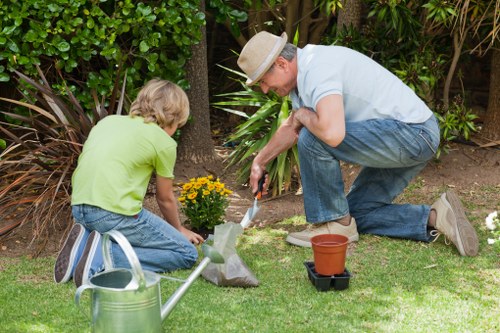 Gardening Neasden is committed to building an eco-friendly waste disposal area and a resilient sustainable rubbish gardening area that supports local green spaces and reduces landfill. Our approach combines practical on-site separation, partnerships across the borough, and a clear recycling percentage target so residents and partners know what we aim to achieve.
We believe in transparent targets: our operational goal is a 70% recycling rate across all Gardening Neasden activities by 2028, with a long-term ambition to reach 75% and to divert the majority of garden and green waste into local composting streams rather than incineration or landfill. This target guides daily decisions on sorting, transport and reuse.
 Our sustainable gardening waste strategy aligns with the borough's approach to household and green waste separation — accepting food waste, paper and card, clean plastics, glass and garden waste in discrete streams. We apply these principles to site-level operations, making sure that wood, soil, plant cuttings, and packaging are separated so recyclable materials can be processed efficiently.
On-site, we run clearly labelled bays for green waste, mixed recyclables and reuseable items. Green waste is chipped and either composted or used as mulch; woody material is routed to biomass or local wood-recycling partners; soil and stone are screened and reused on projects where safe and appropriate. Small amounts of mixed construction rubble are segregated and taken to facilities that accept inert materials for recycling.
We work with nearby transfer points to keep transport efficient and low-impact. Garden materials destined for processing are consolidated and sent to local transfer stations and civic recycling centres in the borough and neighbouring areas, reducing haul distances and avoiding unnecessary vehicle emissions.
 To lower carbon in transit we operate a fleet of low-carbon vans — a mix of electric vans, plug-in hybrids and retrofitted low-emission vehicles — and increasingly use cargo bikes for short urban runs. This reduces urban congestion and emissions when moving separated recyclables and reusable items between sites and transfer stations.
Local Transfer Stations and Material Flows
Working with the borough's transfer infrastructure is essential. We routinely use licensed local transfer stations for:
- bulky green waste consolidation
- wood chipping and reprocessing
- containerised loads of mixed recyclables destined for sorting facilities
Using nearby transfer points shortens routes and allows us to schedule fewer, fuller loads — an important carbon reduction measure. We also prioritise facilities that offer soil remediation and composting services to keep organic matter circulating in the local green economy.
Partnerships with Charities and Community Groups
Gardening Neasden partners with local charities and community groups to give usable items a second life. Instead of sending perfectly serviceable tools, pots and timber to be processed as waste, we offer them to community gardens, youth groups and social enterprises that run training and employability projects. These partnerships help extend the life of materials and support local social value.
We also collaborate with charities that specialise in reuse and redistribution for items that are not suitable for the open market but can be refurbished or repurposed. Redistribution reduces waste handling costs and increases the percentage of material diverted from disposal, helping meet our recycling percentage target.
When materials are unsuitable for donation, they are sent to recycling streams where possible: metals are separated and sent to metal recyclers; plastics are cleaned and baled for processing; glass is directed to local glass recycling facilities.
Every project we undertake includes a waste management plan that specifies what will be reused, recycled or taken to transfer stations. This site-by-site approach is critical to achieving consistent diversion rates across different types of work — from small domestic gardens to larger community landscaping schemes.
We also invest in staff training on segregation and resource recovery so that crews know which items should be kept for reuse, which go to composting, and which require specialist handling. Clear on-the-ground practice drives measurable outcomes toward our recycling goals.
 Community engagement is central: residents are encouraged to separate garden and household recyclables at the kerb using the borough's green bin and blue box systems, while Gardening Neasden collects and processes the materials we generate in a way that complements municipal services.
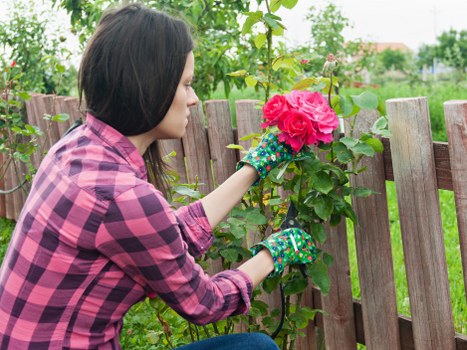 Looking forward, our sustainability plan includes incremental upgrades to collection logistics, greater reliance on renewable-powered processing facilities, and stronger collaboration with local re-use charities and transfer stations to improve overall resource efficiency. By combining low-carbon vans, smart routing, and clear separation practices we aim to build a model for sustainable rubbish gardening that can be replicated across urban communities.
Gardening Neasden's recycling and sustainability programme is practical, measurable and tailored to the local context: it supports borough waste separation schemes, leverages nearby transfer stations, partners with charities for reuse, and uses low-emission transport to minimise our footprint — all focused on exceeding our 70% recycling target and returning organic materials back to the soil.
We invite community groups and local organisations to continue collaborating on material reuse and local composting initiatives so that green resources stay in circulation and our neighbourhoods become greener, cleaner and more sustainable.