Neasden garden maintenance what to know for terrace yards
If you live in Neasden and your outdoor space is more terrace yard than classic garden, you already know the challenge: it can look charming one week and a bit neglected the next. Small spaces show everything. A few weeds by the paving, a mossy edge, a hedge that's grown wider than expected, and suddenly the whole yard feels tired.
This guide on Neasden garden maintenance what to know for terrace yards is written for exactly that kind of space. It explains what matters, how maintenance works in practice, what to prioritise, and where people often go wrong. Whether you are keeping on top of a compact yard yourself or comparing professional help, the aim here is simple: give you clear, grounded advice that actually helps.
Terrace yards need a slightly different approach from larger suburban gardens. They usually have less lawn, more hard landscaping, tighter access, and neighbours close by. That changes the work. It also changes the rhythm. Some jobs are quick but frequent; others are small in scale yet surprisingly fussy. Let's be fair, a terrace yard can be a little unforgiving if you ignore it for too long.
Below you'll find the practical essentials, from routine care to seasonal timing, along with a checklist and a realistic example from a typical Neasden property. No fluff. Just the stuff that matters.
- Why terrace yard maintenance matters in Neasden
- How the maintenance process works
- Main benefits and practical advantages
- Who needs it and when it makes sense
- Step-by-step maintenance guidance
- Expert tips for better results
- Common mistakes to avoid
- Tools, resources and recommendations
- Law, compliance, standards and best practice
- Options and comparison table
- Real-world example
- Practical checklist
- Conclusion
- Frequently asked questions
Why Neasden garden maintenance what to know for terrace yards Matters
Terrace yards in Neasden tend to be compact, often partly paved, and sometimes shaded by walls, fences, or nearby buildings. That creates a very specific set of maintenance needs. Water does not always drain as evenly. Dirt builds up faster. Shade can encourage moss, damp patches, and stubborn weeds in joints and corners. And because the space is small, the details are always on show.
That is why maintenance is not just about making the yard look tidy for visitors. It helps protect surfaces, keep planting healthy, and stop minor issues turning into bigger repair jobs. A blocked drain or an overgrown bed might sound harmless now, but in a terrace setting it can quickly affect the whole yard. You notice it when you step outside for coffee in the morning and the paving feels slimy, or when a climbing plant starts creeping into gutters. Not ideal.
There is also a practical local angle. In densely built streets, terrace yards often need considerate upkeep because overhanging growth, excess debris, or poor waste handling can affect neighbouring properties too. That does not mean you need perfection. It does mean routine care pays off, and a little consistency goes a long way.
Key idea: in a small Neasden terrace yard, maintenance is less about grand landscaping and more about staying ahead of the little things before they multiply.
How Neasden garden maintenance what to know for terrace yards Works
Good terrace yard maintenance usually runs in layers. Think of it as a mix of regular tidying, seasonal attention, and occasional restorative work. The exact balance depends on whether your yard is mostly paving, has raised beds, contains a patch of lawn, or includes structures such as decking or screening.
In practice, the work often includes:
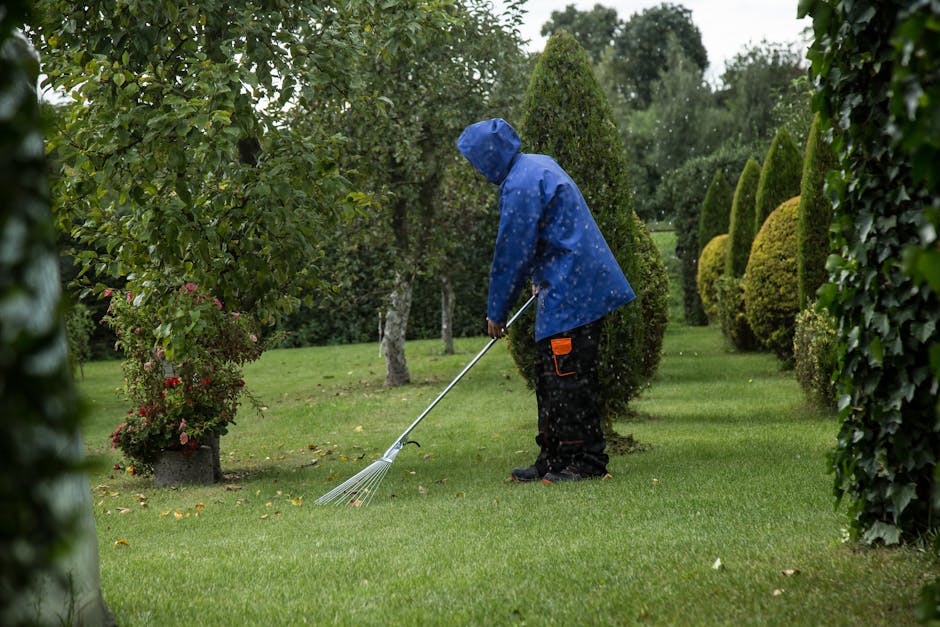
- clearing leaves, litter, and plant debris
- weeding paving joints, beds, and edges
- mowing or trimming any lawn or grass strip
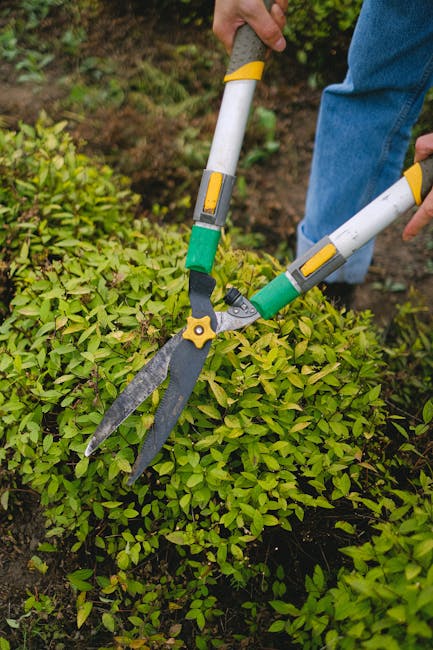
- pruning shrubs, climbers, and small trees
- cutting back growth that blocks light or access
- checking drainage and removing moss or silt
- refreshing mulch, compost, or soil condition where needed
- keeping hard surfaces safe and presentable
For terrace yards, access matters more than people expect. A professional may need to work through a narrow side return, a back door, or a shared passage. That affects what tools can be used and how quickly the job can be done. It also means the best maintenance plan is often one that is efficient and tidy, not oversized or complicated.
Many homeowners also choose to combine maintenance with light improvements. For example, once a yard is under control, it might make sense to sort out a patchy border, add a few more manageable plants, or look at a cleaner layout. Services such as lawn mowing, hedge trimming, and garden clearance can be especially useful when the space needs both control and reset.
Truth be told, terrace yards do not usually fail because of one big problem. They get messy through accumulation. A few fallen leaves, a missed trim, a damp patch that never quite dries, and so on. Maintenance works because it interrupts that cycle.
Key Benefits and Practical Advantages
There are the obvious benefits, of course: your yard looks neater, feels more usable, and tends to be more pleasant to spend time in. But the deeper value is practical. In a terrace setting, maintenance protects the space from becoming awkward, unsafe, or expensive to restore later.
1. Better use of a small space
A tidy yard simply works better. You can sit out, dry laundry, store bins more neatly, or let children use the area without navigating overgrowth. When every square metre counts, clutter has a bigger impact than it would in a larger garden.
2. Healthier planting
Plants in terrace yards are often dealing with shade, reflected heat from walls, wind tunnels, and limited soil volume. Regular maintenance helps them cope. Pruning encourages stronger growth, while watering, feeding, and replanting can keep things from becoming sparse and scruffy.
3. Less surface damage
Moss and weeds are not just cosmetic. Left alone, they can lift paving joints, make paths slippery, and create a gritty surface that wears badly. Small jobs are easier to control than one large repair later.
4. Lower stress for busy households
If you are juggling work, family, and everything else, a well-kept terrace yard removes one more nagging job from the list. That has real value. You step outside and it feels manageable, not like another task staring back at you.
5. Better first impressions
People often underestimate this. A compact rear yard or front terrace space can shape the mood of a whole property. It is the first place you see in the evening, or the bit guests catch when they come in through the back. A cared-for yard quietly lifts the whole home.
| Approach | Best for | Typical strengths | Possible drawbacks |
|---|---|---|---|
| DIY routine maintenance | Small, straightforward yards | Low cost, flexible timing, hands-on control | Easy to let slip, may miss hidden issues |
| Scheduled professional maintenance | Busy households and tidier presentation goals | Consistency, better finish, less hassle | Ongoing cost |
| One-off reset or clearance | Neglected or overgrown terrace yards | Fast visible improvement, useful fresh start | Not enough on its own for long-term upkeep |
If you want a broader view of available support, the services overview is a sensible starting point. It helps you see how routine care, clearance, and improvement projects can fit together without overcomplicating things.
Who This Is For and When It Makes Sense
Not every terrace yard needs the same level of attention. Some are naturally low-maintenance, with gravel, paving, and a couple of sturdy pots. Others are small but lively, with planting beds, hedging, and a bit of lawn squeezed in. The right care depends on how the space is used and how quickly it changes.
This kind of maintenance makes most sense if you:
- have a rear terrace yard that gets untidy quickly
- struggle to keep up with weeds, leaves, or pruning
- want the yard to be usable rather than just presentable
- have a mix of paving and planting that needs balanced care
- plan to sell, let, or simply improve your home's presentation
- have limited storage for tools and prefer a tidy, efficient service
It is also worth considering after a spell of bad weather, a busy holiday period, or a long stretch where the garden has been ignored. You know how it goes: one month you mean to deal with it, and the next there are three weeds where you remember one. Happens to the best of us.
If your yard includes structural features such as decking, raised planters, or more complex planting, maintenance can be paired with upgrades. For example, a tidy planting scheme may sit better alongside decking services or landscape gardening if you want the whole space to feel more intentional rather than simply cleaned up.
And if your concern is mainly the health and safety side of outdoor upkeep, it is sensible to look at a provider's insurance and safety approach too. That is not overthinking it. It is just sensible due diligence.
Step-by-Step Guidance
Here is a practical way to approach terrace yard maintenance without turning it into a massive weekend project.
Step 1: Start with a proper reset
Walk the yard and look at it as a whole. What is actually causing the untidy feel? Often it is a combination of weeds in joints, overgrown edges, debris in corners, and one or two plants that have simply outgrown the space. Clear these first so you can see the yard properly.
Step 2: Remove waste and surface build-up
Take away leaves, loose twigs, spent flowers, and anything sitting on the paving. In a small yard, even a thin layer of debris can make the space feel cramped and damp. If there is a lot to remove, a garden clearance visit may be the quickest way to regain control.
Step 3: Deal with weeds and moss
Weeds in terrace yards often grow from paving gaps, wall edges, or damp corners. Remove them at the root where possible. Moss and algae may need brushing or careful cleaning, especially on shaded surfaces. Be cautious with slippery areas. A patio that looks only mildly green can be surprisingly slick after rain.
Step 4: Prune and shape plants
Trim back any shrubs, climbers, or small trees that are stealing space or light. In terrace yards, pruning is partly about aesthetics but also about keeping the area functional. You want enough growth to soften the yard, but not so much that it dominates everything.
Step 5: Check soil and containers
If you rely on pots or raised beds, look at the compost condition, drainage, and plant spacing. Containers dry out quickly in summer and can become waterlogged in wet spells if drainage is poor. A quick refresh of compost or mulch can make a real difference.
Step 6: Tidy the hard surfaces
Wash down patios, sweep paths, and clear drains or channels if they are visible and safe to do so. In many terrace yards, hard surfaces are a major visual feature, so keeping them clean matters just as much as plant care.
Step 7: Set a repeat schedule
The final step is the one people skip. Decide how often the yard needs attention. For some spaces, a light tidy every fortnight is enough. Others need weekly checks in spring and summer. A schedule is boring, yes. But it works.
Expert Tips for Better Results
There are a few small habits that make terrace yard maintenance much easier over time. None of them are dramatic, but they add up.
- Prioritise edges. In a compact yard, the edges define the whole space. A crisp boundary between planting and paving makes even a simple yard feel cared for.
- Use fewer, better plants. Too many small pots can make a terrace yard look cluttered. A handful of good, reliable plants usually works better than a jumble.
- Choose plants that tolerate local conditions. If the yard is shaded or windy, pick species that can cope. Otherwise you end up replacing plants more often than you want to.
- Keep drainage in mind. After rain, check where water sits. Puddling can reveal compacted soil, blocked outlets, or an awkward fall in the surface.
- Do little jobs before they become big ones. Cutting back a climber by ten minutes now is easier than wrestling with it later. Much easier.
One useful trick, especially in small yards, is to treat maintenance as part of weekly life rather than a special event. A quick sweep after a windy day, five minutes on weeds, a glance at the pots while the kettle boils. Not glamorous, admittedly. But effective.
If sustainability matters to you, ask about waste handling and recycling options. A service that supports recycling and sustainability can help reduce unnecessary waste and keep the job more responsible.
And if your yard needs regular upkeep because you simply do not want it taking over your weekends, a standing arrangement around garden maintenance may be the calmest solution. Sometimes the best choice is the least dramatic one.
Common Mistakes to Avoid
Terrace yards are small enough that mistakes show fast. The good news? They are also easier to correct if you catch them early. Here are the most common ones.
Leaving everything until it looks bad
This is the classic one. In a terrace yard, by the time the space looks "a bit off," weeds and moss may already be established. Maintenance works best when it is regular, not reactive.
Overfilling the space
Too many planters, features, or decorative items can make a small yard feel even smaller. A terrace yard needs breathing room. If you have to sidestep furniture every time you go outside, something is off.
Ignoring drainage and damp
Shade and moisture are common in Neasden terrace settings, especially where walls and fences block sun. Ignoring damp patches can lead to moss, staining, and a surface that never quite feels clean.
Using the wrong plants
Choosing plants because they look good in a catalogue is one thing; choosing them for a shaded, narrow, urban yard is another. Some plants just do not enjoy the conditions. They sulk, and then they fail. Nature can be very direct that way.
Cutting too much at once
Heavy pruning can leave the yard looking bare or expose weak growth. Better to do measured cuts and keep shape gradually, especially with climbers and shrubs.
Forgetting access and storage
Terrace yards often lack space for big tools or bulky waste bins. If equipment is awkward to move through the property, the job becomes frustrating quickly. This is one reason some people prefer professional help for the heavier work.
Tools, Resources and Recommendations
You do not need a shed full of specialist equipment to manage a terrace yard well. In most cases, a simple, reliable toolkit is enough.
- Hand rake or stiff broom: useful for clearing leaves and surface dirt from paving
- Weed remover or hand fork: helps lift weeds from joints and borders
- Secateurs: ideal for light pruning and deadheading
- Long-handled loppers: better for thicker stems and awkward branches
- Watering can or hose attachment: helpful for containers and dry spells
- Spade or trowel: for planting, edging, and small soil jobs
- Protective gloves and sturdy footwear: simple but worth having
For many terrace yards, the real resource is not the tool itself but the routine. A little attention at the right time beats a heroic clean-up every few months. You'll feel the difference, honestly.
If you are deciding how much help you need, browsing a pricing and quotes page can be a practical next step. It gives you a better idea of whether you need a one-off tidy, an ongoing maintenance plan, or a more complete refresh.
If the yard is tied up with more ambitious changes, the broader landscaping option may be relevant too. That said, not every terrace yard needs a redesign. Often it just needs smarter upkeep and a cleaner structure.
Law, Compliance, Standards, or Best Practice
For most terrace yards, the main compliance issues are straightforward and practical rather than complicated. The key is to avoid nuisance, protect safety, and handle waste responsibly. In the UK, that usually means working considerately around neighbouring properties, keeping pathways safe, and making sure green waste is disposed of properly.
Good providers should also be clear about safety procedures, especially if ladders, cutting tools, or heavier clearance work is involved. For that reason, it makes sense to check a company's published health and safety policy and read how they approach site safety in everyday work. If you are hiring help, clarity is better than guesswork.
Insurance matters too. If a gardener or landscaper is working in a tight terrace setting, there is less room for error. Confirming that they operate with suitable cover is a sensible part of the decision. It is not about being difficult. It is about being practical.
You may also want to review service terms and how payments are handled. Small home services should be transparent about expectations, timing, and what happens if weather or access disrupts the job. Pages like terms and conditions and payment and security can help clarify that side of things.
And if you ever need to raise a concern, check whether there is a clear complaints route. That kind of transparency is a good sign. A company that explains how it handles issues usually thinks properly about customer service, not just the job itself.
Options, Methods, or Comparison Table
When deciding how to manage a terrace yard in Neasden, most people choose between three broad methods: DIY upkeep, occasional professional help, or a regular maintenance plan. The right one depends on your time, your confidence, and how much the yard actually asks of you.
| Method | What it involves | Pros | Best suited to |
|---|---|---|---|
| DIY upkeep | Weekly or fortnightly sweeping, weeding, pruning, and watering | Lowest immediate cost, full control, flexible timing | Simple yards and hands-on owners |
| Occasional professional help | One-off tidy-ups, pruning, or clearance when things get away from you | Quick reset, useful for busy periods or seasonal jobs | Households that mostly cope but need support now and then |
| Regular maintenance plan | Scheduled visits for ongoing upkeep | Consistency, easier long-term control, better presentation | Busy homes, rental properties, and yards that grow quickly |
In many cases, the most sensible route is a hybrid one. You do the simple weekly stuff, and bring in help for the heavier tasks or seasonal resets. That way the yard never gets far out of hand. Nice and steady. No drama.
Case Study or Real-World Example
Imagine a typical terrace yard in Neasden: small paved area, two narrow beds, a few pots, and a modest stretch of lawn or artificial border at the back. It looked fine in spring, then a busy summer happened. Nobody really noticed the weeds at first. The climber on the fence got a bit wild. Leaves collected behind the bins. The paving started feeling slippery after rain.
Nothing was broken. Nothing was truly urgent. But the space stopped being pleasant.
The solution was not a full redesign. It was a focused maintenance reset. First came clearance of debris and weeds. Then the climber was cut back carefully so it still gave privacy without swallowing the fence. The paving was cleaned, the borders were edged, and the pots were reorganised so the yard had more breathing space. A small amount of mulch helped the beds look finished again, and the drainage points were checked for blockages.
The difference was immediate. The yard looked larger, drier, and calmer. More importantly, it became easy to keep that way. A short sweep once a week and a quick check after heavy rain were enough to hold the line.
That is often the real goal with terrace yards: not perfection, just control. And control feels good.
Practical Checklist
Use this checklist to keep your terrace yard in decent shape without overthinking it.
- Clear leaves, litter, and loose plant debris regularly
- Remove weeds from paving joints and borders before they spread
- Check for moss or slippery patches after wet weather
- Trim hedges, climbers, and shrubs so they do not overpower the space
- Water containers and beds according to the weather, not the calendar alone
- Refresh compost or mulch when plants start looking tired
- Keep paths, steps, and access routes uncluttered
- Inspect drainage points and corners for standing water or silt
- Reduce clutter so the yard feels open and usable
- Book a deeper tidy or clearance before things get out of hand
Expert summary: In a Neasden terrace yard, the best maintenance plan is usually the one that stays simple, repeated, and realistic. Small spaces reward consistency far more than occasional bursts of effort.
If you are looking for a broader introduction to the company behind this guidance, you can also read about us and see how the team approaches outdoor work in practical terms.
Conclusion
Neasden garden maintenance for terrace yards is really about keeping a compact space tidy, usable, and easy to live with. The best results come from small, regular actions: sweeping, weeding, pruning, checking drainage, and keeping the layout simple enough to manage. Nothing fancy. Just steady, sensible care.
If your terrace yard has started to feel cramped, dull, or hard to maintain, you do not necessarily need a full redesign. Often you just need the right sequence of maintenance jobs, done in the right order, and repeated often enough to matter. That is where a well-kept routine makes all the difference.
Get a free quote today and see how much you can save.
And if you are still weighing up the best approach, start small. One tidy corner, one cleared border, one clean path. Once the space starts breathing again, the rest usually follows.
Frequently Asked Questions
What should I prioritise first in a Neasden terrace yard?
Start with safety and visibility: clear debris, remove weeds, and tidy the main walking areas. After that, deal with overgrown plants and any drainage issues. In a small yard, the first improvement often comes from simply making the space feel open again.
How often does a terrace yard need maintenance?
Most terrace yards benefit from light attention every one to two weeks, with more frequent checks in spring and summer. Heavier jobs such as pruning, clearing, or surface cleaning can be done seasonally or as needed.
Is garden maintenance different for terrace yards compared with bigger gardens?
Yes. Terrace yards usually have less room, more hard landscaping, and tighter access. That means weeds, moss, clutter, and drainage issues can have a bigger visual and practical impact. The work is often more about precision than scale.
Can I manage a terrace yard myself?
Absolutely, if the space is simple and you have time to keep up with it. Many people handle sweeping, watering, and light pruning themselves. A professional can be useful when the yard becomes overgrown or when access and time are limited.
What are the biggest mistakes people make with small urban yards?
The most common mistakes are overfilling the space, ignoring drainage, choosing unsuitable plants, and letting weeds establish in paving joints. Another big one is waiting too long before doing any maintenance at all.
Do terrace yards need special plants?
Not special, exactly, but they do need suitable plants. Shade tolerance, wind tolerance, and manageable size all matter. A plant that thrives in a larger garden may not cope well in a narrow, enclosed yard.
How do I stop a terrace yard from looking cluttered?
Use fewer, better chosen plants and keep the layout simple. Leave some breathing room between pots, furniture, and borders. A terrace yard usually looks better when there is a clear structure rather than too many separate features.
Is professional help worth it for a small yard?
Often, yes. Small yards can still take surprising effort, especially if they include paving, hedging, or seasonal planting. Professional maintenance can save time, keep the space tidy, and prevent small problems from building up.
What should I ask before booking garden maintenance?
Ask what the service includes, how often they recommend visits, whether waste is removed, and how they handle safety and access. It is also sensible to ask whether the job is a one-off tidy-up or part of an ongoing plan.
Can terrace yard maintenance improve property presentation?
Yes. A neat terrace yard can make a property feel cared for and more inviting. That matters whether you are living there, letting it, or planning to sell. The outside space often sets the tone before anyone even reaches the door.
What if my terrace yard has poor drainage?
That is common in compact urban spaces. Start by checking where water collects, whether debris is blocking outlets, and whether soil or paving is holding moisture. If the problem keeps returning, it may need a more considered landscaping or drainage fix.
How do I choose between clearance and ongoing maintenance?
If the yard is currently overgrown or untidy enough that routine care would be difficult, a clearance first is usually the better move. Once the space is reset, regular maintenance becomes much easier and more affordable to manage over time.