Access issues for Neasden gardeners narrow yards and gates: practical solutions for tight spaces
If you live in Neasden and your garden is tucked behind a slim side passage, a stubborn gate, or a yard that barely fits a wheelbarrow, you already know the problem. Access issues for Neasden gardeners narrow yards and gates can turn even simple jobs into a bit of a logistical puzzle. It is not just about whether a gardener can get in; it is about how safely they can work, what tools they can bring, where waste will go, and how much time the job may take.
That does not mean the garden is awkward or impossible. Far from it. With the right planning, the right equipment, and a sensible approach to delivery, clearance, mowing, hedge work, or even landscaping can still be carried out neatly. In this guide, we will break down what access issues really mean, how professionals work around them, what to watch out for, and how to prepare your space so the whole visit runs more smoothly. A little planning saves a lot of back-and-forth, and honestly, it saves a lot of swearing at a gate hinge too.
Why access issues for Neasden gardeners narrow yards and gates matters
Access might sound like a minor detail, but in garden work it shapes almost everything. If a gate opening is too tight for machinery, or if a yard has steps, bends, overhead wires, or fragile paving, the work has to be adapted. That affects labour, the type of tools used, the speed of the job, and the amount of waste that can be removed in one go.
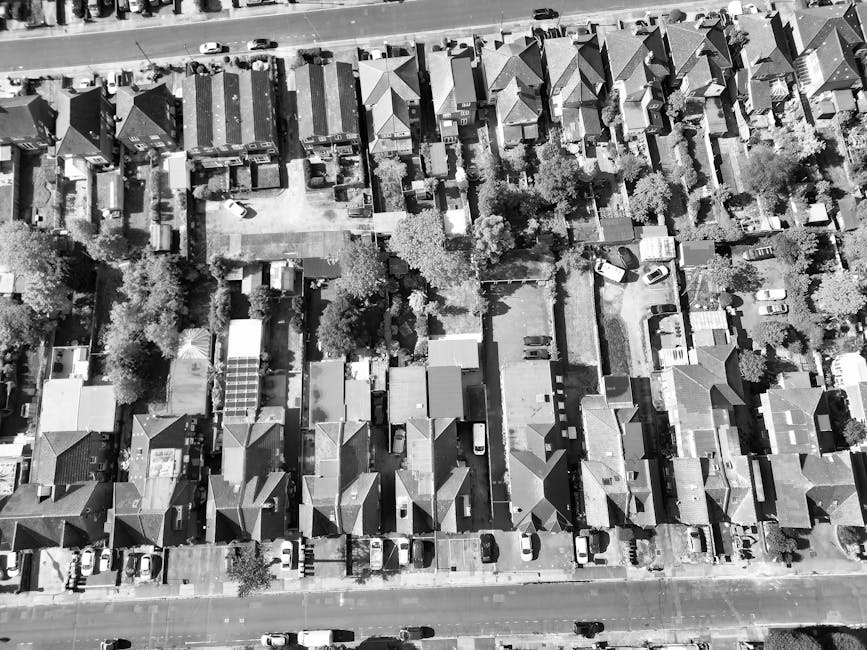
In Neasden, properties often mix older layouts with compact outdoor spaces. You see narrow side returns, shared passages, alley access, and gates that have settled a little over time. Nothing unusual there. But for a gardener, those details can decide whether a job is straightforward or whether it needs a more careful setup. A hedge trim through a side gate is one thing; shifting a pile of cuttings or bringing in a turf cutter is another story entirely.
There is also the safety angle. Tight access can increase trip risks, pinch points, and the chance of scraping walls, door frames, railings, or paving edges. Good planning reduces those risks and helps the team work cleanly. If you are comparing providers, it is worth looking at the broader services overview and checking whether they explain how they approach access constraints, not just the gardening task itself.
Expert summary: Narrow yards and gates do not automatically make garden work difficult, but they do require a better plan. The best results usually come from clear measurements, realistic expectations, and equipment that fits the space rather than forcing a larger setup into a small one.
How access issues for Neasden gardeners narrow yards and gates works
The practical process starts before anyone arrives. A gardener will usually want to understand the width of gates, the length of the route into the garden, whether there are steps or slopes, and how waste will come back out. Simple questions, really, but they matter. Can a wheelbarrow pass through? Will a mower fit? Can materials be carried by hand? Is there room to stage tools without blocking the path?
From there, the job is matched to the space. For example, lawn mowing in a tight rear garden may call for a lightweight mower or a hand finish along edges. A hedge trim might need a compact ladder, a long-reach cutter, or a plan to work from one side rather than setting up bulky equipment everywhere. If the space is very limited, a team may choose to reduce the amount of gear brought onsite and work in smaller stages.
Waste removal is often the part people underestimate. A neat cut is only half the job if clippings and branches cannot be moved efficiently. This is where access-aware planning makes a real difference. For a heavier tidy-up, a service such as garden clearance can be especially useful because it is designed around bulk handling, sorting, and safe movement of waste out of a confined space.
Sometimes the access issue is not the gate itself, but the route to it. A side passage may be wide enough in theory, but low hanging foliage, bins, bikes, washing lines, or a loose slab can make it awkward. To be fair, these are the kind of details that only show up when someone is trying to push a loaded barrow through at 8:30 on a damp morning. That is why a site check or good photo review is so helpful.
Key benefits and practical advantages
Handling access properly is not just about avoiding problems. It has real upsides for the property owner too.
- Cleaner work: A well-planned route means less mess through the home, side path, or neighbour boundary.
- Less damage risk: Narrow gates and delicate paving are less likely to be scratched or knocked.
- Better time control: Once access is understood, jobs are scheduled more realistically, which reduces delays.
- Safer working: Fewer awkward lifts and fewer forced manoeuvres mean lower risk for everyone onsite.
- More accurate quotes: The clearer the access, the less guesswork in pricing and job planning.
- More appropriate equipment: The right-sized tools do better work in tight spaces anyway.
There is also a surprisingly big benefit in communication. When access is discussed early, the customer and gardener are less likely to be disappointed on the day. No one likes the moment when a large mower arrives and then simply cannot get through the gate. Not ideal. Not fun. Avoidable.
If you are arranging regular upkeep rather than a one-off visit, access planning becomes even more valuable. A compact garden that is hard to reach today will still be hard to reach next month, so a consistent approach through garden maintenance can keep the space manageable without every visit feeling like a small expedition.
Who this is for and when it makes sense
This topic matters for a surprisingly wide group of people. If your property has a small rear garden, a narrow alley, an old wooden gate, shared access with neighbours, or an awkward step down into the yard, you are in the right place. It also applies if your outdoor space is at the back of a terraced home, a maisonette, a converted building, or any property where moving tools in and out is not straightforward.
It makes sense to think about access before you book any of these jobs:
- one-off tidy-ups after a long gap
- seasonal hedge and shrub work
- lawn cutting in tight or uneven gardens
- tree pruning or branch removal
- post-tenancy or pre-sale clearance
- new landscaping where materials need to be carried through a small entrance
- decking or structural work where boards, fixings, or sub-base materials must be moved carefully
If the job involves more than a quick cut, access really starts to matter. For example, a simple trim may be easy enough, but a more involved project such as landscape gardening or landscaping can involve larger deliveries, staging space, and repeated movement of materials. That is where narrow access can shape the design itself, not just the execution.
Step-by-step guidance
If you want to make a tight-access garden job go well, the process is fairly simple. Not easy in every case, but simple to understand.
- Measure the gate and route. Check the actual clear opening, not the frame size. Then look at the path, turns, steps, and any obstacles along the way.
- Take a few clear photos. A couple of pictures can answer questions faster than ten messages. Include the gate, side passage, rear entrance, and the work area.
- Explain the task in plain English. Say whether you need mowing, pruning, waste removal, full clearance, or something more involved.
- Flag the awkward bits early. Mention low arches, locked side gates, uneven ground, tight corners, or fragile surfaces.
- Ask what equipment will be used. This is especially useful if you are worried about lawn mowers, ladders, or wheelbarrows fitting through.
- Confirm how waste will leave the property. If clippings, branches, soil, or old materials are involved, the exit route matters almost as much as the entrance.
- Prepare the access path. Move bins, plant pots, toys, bikes, and anything else that creates a squeeze.
- Decide whether any work should be split into stages. In some gardens, smaller visits are better than forcing one big session into a tiny space.
A good first conversation often saves the most time. If you are still comparing providers, it can help to review practical information such as pricing and quotes so you know what details may affect the estimate before anyone turns up.
One small but useful habit: stand where the gardener will stand and walk the route yourself. You may notice a sticking latch, a drop in paving, or a corner that feels fine when empty but turns into a bottleneck once tools are added. You know, the sort of thing people only notice after a wheelbarrow wheel catches on it. Classic.
Expert tips for better results
There are a few habits that make a noticeable difference in tight-access gardens.
Use the smallest practical equipment, not the fanciest
For narrow yards and gates, the best tool is often the one that fits cleanly and can be moved without drama. A compact mower, lightweight trimmer, or smaller waste containers can be more effective than trying to work with oversized gear. Bigger is not always better. In fact, in confined gardens it often is not.
Plan the waste route before the cut begins
Many jobs start fine and then stall when the first pile of cuttings builds up. Think in reverse. Where will it sit? How will it move? Can it be stacked in manageable loads? If not, a separate clearance plan may be better than assuming the team can just carry everything out at the end.
Keep edges and pathways clear
A narrow side return can feel twice as tight when buckets, shoes, old pots, and an overflowing recycling bag are in the way. A clear route makes the work look more professional too. It is one of those unglamorous details that quietly saves the day.
Choose access-friendly garden design when making changes
If you are redesigning the space, think about future access. Wider gates, simple turning areas, and material choices that can be installed in smaller pieces all help. It is easier to plan this during design than to improvise it later. For larger changes, a team that offers decking services or structural garden work should be asked how they handle deliveries and manoeuvring in tighter properties.
Ask for a realistic, not optimistic, timeline
Time estimates should reflect access, not just the task list. A compact garden with a single awkward gate can take longer than a bigger open one, simply because moving equipment and waste takes more care. That is not inefficiency. That is reality.
Common mistakes to avoid
Most access problems are avoidable. The trouble is, they are often only obvious once the job has already started.
- Assuming "small job" means "simple access." A quick trim can still be tricky if the route is narrow.
- Forgetting about waste removal. The exit route matters as much as the entry point.
- Measuring the gate loosely. An estimate by eye can be wildly misleading.
- Leaving obstacles in place. Bikes, bins, furniture, and stacked materials can turn a manageable route into a headache.
- Booking without mentioning access concerns. This is one of the easiest mistakes to avoid, and one of the most common.
- Choosing a service without asking about insurance and safety. If equipment, walls, or shared areas are tight, you want a team that works carefully and has the right protections in place.
It is also wise not to overpromise what a garden can handle in a single visit. Sometimes the best approach is two smaller sessions instead of one heroic push. There is no medal for forcing a wheelbarrow through a gate that clearly disagrees with the idea.
Tools, resources and recommendations
You do not need specialist knowledge to prepare for access-led garden work, but a few simple tools help a lot.
- Measuring tape: useful for gate widths, side paths, and turning points.
- Phone camera: photos are often the quickest way to explain a tricky layout.
- Gloves and basic tidying tools: if you want to clear the route beforehand.
- Wheelbarrow or garden trolley: helpful if the route can take one, though not every narrow yard can.
- Compact storage tubs or sacks: good for staging cuttings or tools in smaller loads.
For some properties, access concerns connect with tree work or heavier pruning. If branches are overhanging fences or dropping into a constrained back area, it may be sensible to look at tree lopping and removal as part of the wider plan. Similarly, if the issue is less about daily upkeep and more about a major reset, garden clearance may be the more efficient route.
On the trust side, it helps to choose a provider that explains how they operate. Pages such as about us, health and safety policy, and insurance and safety can give you a clearer sense of how seriously a business takes careful access, protected surfaces, and site control.
Law, compliance, standards, or best practice
For garden access work, the main point is not legal complexity so much as sensible practice. In the UK, professional garden teams are generally expected to work safely, avoid unnecessary damage, and manage waste responsibly. Where access is tight, that means planning manual handling carefully, keeping walkways clear, and using equipment that is suitable for the environment.
If work involves ladders, pruning, or moving heavier items through a cramped route, best practice is to reduce risk rather than push through it. That may mean taking smaller loads, using lighter equipment, or changing the sequence of work. Shared access also deserves a bit of care. If a side passage is shared with neighbours, it is courteous to keep noise, mess, and obstruction to a minimum and to leave the route as you found it, preferably cleaner.
Insurance matters too. Access-related work increases the chance of accidental knocks, trips, or surface damage if it is handled carelessly. A business that is clear about insurance and safety is usually a safer bet, especially where gates are tight and the margins for error are small. You do not need a lecture about liability, just a calm, sensible process.
Best practice also includes honest quoting. If a provider sees access difficulties and quietly ignores them, the job can become awkward for both sides later. Transparent discussion up front is better for everyone.
Options, methods, or comparison table
Different access solutions suit different properties. The right choice depends on the size of the gate, the type of work, and how often the garden is visited.
| Method | Best for | Strengths | Limitations |
|---|---|---|---|
| Manual carry-in and carry-out | Very narrow gates, small yards, lighter jobs | Flexible, low-impact, works in awkward spaces | Slower for heavier waste or bulky materials |
| Compact equipment setup | Routine maintenance, mowing, trimming | Easier movement, less risk of damage, neat handling | May not suit large-scale clearance or construction |
| Split-visit approach | Busy gardens, mixed tasks, limited storage space | Reduces congestion and keeps the job controlled | Takes longer overall and may need careful scheduling |
| Staged waste removal | Prunings, hedge cuttings, clearance jobs | Prevents pile-up and keeps routes open | Needs planning and repeated movement |
| Redesigned access route | Home improvements, landscaping, repeated service visits | Improves future usability and efficiency | Can involve upfront cost and design work |
In practice, many gardens end up using a mix of these. That is normal. A weekly or monthly visit might use compact tools, while a one-off clearance might need split loads and a different waste plan. The best method is usually the one that keeps the garden safe, tidy, and workable without turning the visit into a wrestling match with the gate.
Case study or real-world example
Here is a realistic example. A small rear garden off a terraced property in Neasden had a side passage that was just wide enough for one person to pass through, but not comfortably enough for standard gear. The gate opened inward, clipped the bin storage area, and the final turn into the yard was tight. The owner wanted mowing, border tidying, and a hedge cut back to stop it brushing against the fence.
Instead of bringing in larger equipment and hoping for the best, the work was planned in stages. The gate was propped safely open, the route was cleared first, and only compact tools were taken through. Clippings were gathered into smaller loads, then moved out in manageable bags rather than one giant heap at the end. The hedge work was done from the inside rather than setting up unnecessary access points, which kept the job neat and reduced the risk of knocking the fence panels.
The result was not dramatic, and that is the point. It went smoothly. The garden looked better, the route stayed clean, and the owner did not have to worry about scratched paintwork or trampled borders. On a mild spring afternoon, with that faint green smell after fresh cutting, the space felt completely different. Small changes, yes, but sometimes that is exactly what a tight garden needs.
Practical checklist
Use this checklist before booking or starting work in a narrow-access garden.
- Measure the gate opening and note any pinch points.
- Check the full route from street to garden.
- Remove bins, bikes, toys, pots, and loose items.
- Take photos of the access path and work area.
- Tell the gardener about steps, slopes, low arches, or shared areas.
- Confirm whether waste can be carried out in standard loads.
- Ask whether compact equipment will be used.
- Decide if the work should be split into phases.
- Check whether any hedges, trees, or decking features affect access.
- Keep neighbours informed if access is shared or if gates will be open briefly.
If the garden is badly overgrown or has become cluttered, a service like garden clearance may be the cleanest starting point before regular maintenance resumes. That can save you from trying to work around years of built-up obstacles.
Conclusion
Access issues for Neasden gardeners narrow yards and gates are common, but they are very manageable with the right approach. The key is not to pretend the space is bigger than it is. It is to work with the space honestly, carefully, and intelligently. When access is measured, discussed, and planned for, the gardening itself becomes easier, safer, and usually cheaper in the long run.
Whether you need routine upkeep, a clear-out, or a more ambitious garden improvement, the best result usually starts with a simple conversation about the gate, the route, and the practical realities of the site. That small bit of preparation pays for itself quickly. And once the job is done, you feel it straight away - a garden that works better, and a bit less stress every time you step outside.
Get a free quote today and see how much you can save.
Frequently Asked Questions
How do gardeners handle narrow gates in Neasden?
They usually assess the gate width, the route into the garden, and the type of work before bringing equipment onsite. Compact tools, manual carrying, and staged waste removal are common solutions.
Can a gardener work in a garden with only side access?
Yes, usually. Side access is often enough for routine maintenance, trimming, and clearance, as long as the route is safe and there is enough room for the tools needed.
What if my gate is too narrow for a mower?
The job can often still be done with a smaller mower, a hand finish, or a different cutting method. It is worth mentioning the gate width early so the right equipment is chosen.
Do access problems make garden work more expensive?
Sometimes they can, especially if the job takes longer or waste has to be moved in smaller loads. Clear information up front helps keep quotes more accurate and avoids surprises later.
Should I clear the access route before the gardener arrives?
Yes. Moving bins, bikes, toys, plant pots, and loose items makes the job safer and usually quicker. Even a few minutes of tidying can make a big difference.
What should I measure before asking for a quote?
Measure the gate opening, the narrowest part of the path, and any turns or steps between the front of the property and the garden. Photos are useful too.
Can garden clearance be done through a small gate?
Often yes, but it depends on the amount and type of waste. Smaller, manageable loads are usually the most practical option in tight-access gardens.
Is tight access a problem for landscaping work?
It can be, because landscaping may involve materials, tools, and repeated movement through the route. Good planning matters more on these jobs than on basic maintenance.
How do I know if my garden needs a specialist approach?
If a standard mower, large bags, or bulk waste would not fit through the gate comfortably, or if the route includes steps and sharp corners, a specialist access plan is sensible.
Should I mention access issues when booking?
Absolutely. The earlier access is discussed, the easier it is to choose the right equipment, estimate the time properly, and avoid delays on the day.
What if the gate opens awkwardly or sticks?
Say so before the visit. A sticking or misaligned gate can slow work down and create a pinch point. It may also need to be left open carefully while the job is carried out.
Where can I learn more about the company before booking?
You can review the about us page, the services overview, and the insurance and safety information to get a feel for how the work is handled. If you have a question before moving ahead, the contact us page is the best next step.